Tier 1 vs. Tier 2: Understanding Solar Panel Quality
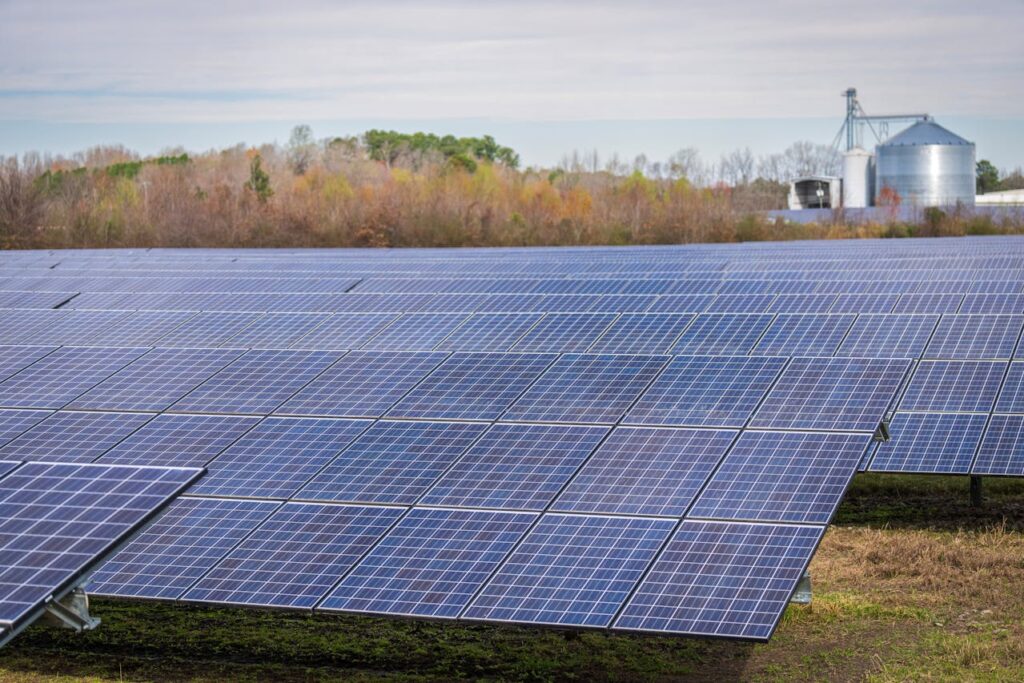
When investing in a commercial solar PV system, the quality of your components is everything. The term “Tier 1” is often used to describe top-quality solar panels, but what does it actually mean? Understanding this classification is essential to ensure you get a system that delivers on its promises of longevity and performance. What Defines a Tier 1 Solar Panel? The Tier 1 classification, established by BloombergNEF, is an industry benchmark used to rank solar panel manufacturers based on their financial stability and bankability. A Tier 1 company is not simply the biggest or most popular manufacturer; it is one that has demonstrated a proven track record of bankability, meaning major financial institutions are confident in its products and business model. This distinction is crucial because it indicates a company that has invested in and mastered a vertically integrated, state-of-the-art manufacturing process. They control the entire production line, from creating the silicon cells to assembling the final panels. This control ensures consistent quality and allows for rigorous testing at every stage. Furthermore, Tier 1 manufacturers invest heavily in research and development, constantly innovating to improve panel efficiency, durability, and overall performance. A company with this level of financial and operational strength is highly likely to honor its long-term product warranties, providing a safeguard for your investment. Why Choose Tier 1? While Tier 2 and Tier 3 panels may seem more affordable upfront, they often come with hidden costs and risks that can impact your return on investment. Panels from lower-tier manufacturers may be less efficient, degrade faster over time, and the manufacturer may not be financially stable enough to support their long-term warranty, leaving you exposed to future repair and replacement costs. By choosing Tier 1 quality, you are investing in: At Granton Power, we exclusively use Tier 1 quality products because we believe our clients deserve the best. Your business deserves a reliable, durable, and high-performing system that will pay dividends for years to come.
Water Security: Why Solar Pumping is the Future of Agriculture

Access to a reliable water source is the lifeblood of agriculture. For many farmers, especially those in remote areas, this has traditionally meant a heavy reliance on diesel generators or an unpredictable grid. Solar-powered water pumping has emerged as a game-changing solution, offering a sustainable, cost-effective, and reliable path to water security. The Solar Advantage A solar water pumping system uses the sun’s energy to power a pump, drawing water from boreholes, dams, or rivers. The system is remarkably simple, consisting of solar panels, an inverter, and a pump. With minimal moving parts, this setup translates to a highly reliable and low-maintenance operation. Unlike diesel pumps that require constant and costly fuel purchases and produce harmful emissions, solar pumps run on free, clean energy directly from the sun. This shift from a recurring expense to a one-time investment fundamentally changes the economic model for farmers. Key Benefits for Farmers Investing in a solar water pumping system provides a host of tangible benefits that directly impact a farm’s productivity and long-term sustainability. A Strategic Investment in Your Farm’s Future Solar-powered water pumping is not just a technological upgrade; it’s a strategic investment in the resilience and profitability of your farm. It frees you from the volatility of fuel prices, mitigates the risk of power interruptions, and empowers you to farm more sustainably. This is why it is quickly becoming the standard for modern, forward-thinking agricultural operations.
The Ultimate Guide to Commercial Energy Storage Solutions
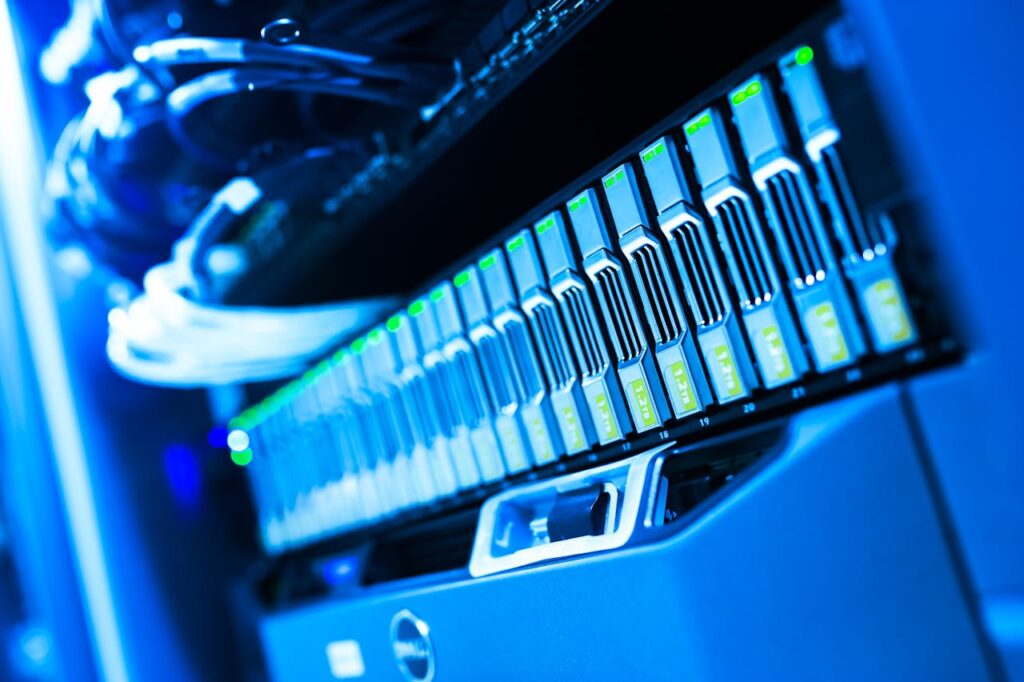
In today’s dynamic energy landscape, relying solely on the grid can be risky. Power outages, unpredictable costs, and grid instability pose significant threats to business continuity. This is where Commercial Energy Storage Solutions (CESS) come in, offering a strategic advantage that goes beyond simple backup power. At its core, a CESS is a large-scale battery system designed to store electrical energy and discharge it when needed. Think of it as your company’s personal power bank, providing a seamless and immediate power supply for critical operations. These systems are scalable and can be integrated with various power sources, including solar PV systems, to create a resilient, self-sufficient energy ecosystem. What Makes a CESS Work? A Commercial Energy Storage Solution is more than just a big battery. It’s an intelligent system composed of three key elements: The Top 3 Benefits for Your Business Investing in a CESS delivers tangible benefits that directly impact your bottom line and operational resilience. 1. Uninterrupted Power, Uninterrupted Business For industries where every second of downtime costs thousands—like data centers, hospitals, and manufacturing plants—a CESS provides critical insurance against power failures. When a grid outage occurs, the system automatically and instantly switches to the stored energy, ensuring that your operations remain running smoothly. This seamless transition prevents data loss, protects sensitive equipment, and eliminates the costly disruptions that can cripple a business. Unlike diesel generators, a CESS is silent, emission-free, and requires no refueling, making it ideal for urban and sensitive environments. 2. Smart Energy Management and Cost Savings One of the most powerful financial advantages of a CESS is its ability to manage your energy costs. This is achieved through a practice called peak shaving. During periods of high electricity demand—typically in the afternoon when rates are at their highest—a CESS discharges its stored energy, reducing the amount of power you pull from the grid. By lowering your peak demand, you can significantly reduce or even eliminate the expensive demand charges on your utility bill. Additionally, you can practice time-of-use arbitrage by charging your batteries during off-peak, low-cost hours and using that stored energy during peak times, effectively “buying” electricity when it’s cheap and “using” it when it’s expensive. 3. Enhancing Sustainability and Brand Image For businesses committed to their environmental and social governance (ESG) goals, a CESS is a game-changer. When paired with a solar PV system, it allows you to maximize your self-consumption of clean, renewable energy. Instead of exporting excess solar power to the grid during the day, you can store it in your batteries and use it at night or on cloudy days. This greatly reduces your reliance on fossil fuel-based grid electricity. By demonstrating a tangible commitment to sustainability through a CESS, you not only attract environmentally conscious customers but also build a positive brand reputation that sets you apart from the competition. The Granton Power Difference At Granton Power, we understand that every business has unique energy needs. We don’t just sell you a product; we provide a complete, end-to-end solution, from initial energy audits and system design to professional installation and ongoing maintenance. Our team of experts will work with you to design a CESS that integrates seamlessly with your operations, delivering a resilient, cost-effective, and sustainable power source for your future.